Den sosiale atmosfæren i kasinoet
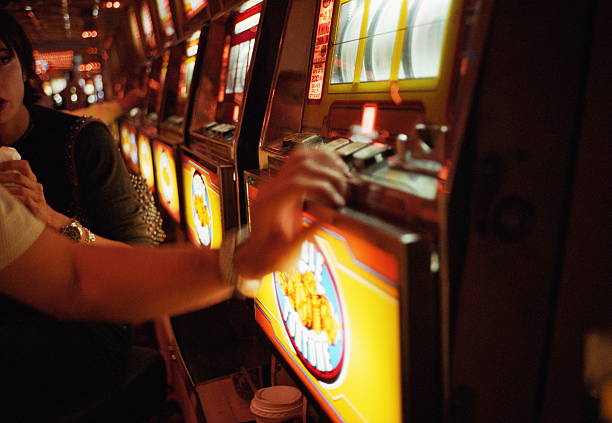
Når man tenker på kasinoopplevelsen, kommer ofte spillene i første rekke. Men det er den sosiale atmosfæren som virkelig kan løfte opplevelsen. Kasinoer tiltrekker seg mennesker fra alle samfunnslag, og den energiske stemningen kan være smittsom. Mange besøkende vurderer å bruke beste nett casino for å få tilgang til unike spillopplevelser, og de engasjerer seg med hverandre, deler historier og opplever felles jubel når hjulene spinner eller kortene deles ut. Dette fellesskapet gir en særlig dimensjon til opplevelsen, som mange setter stor pris på.
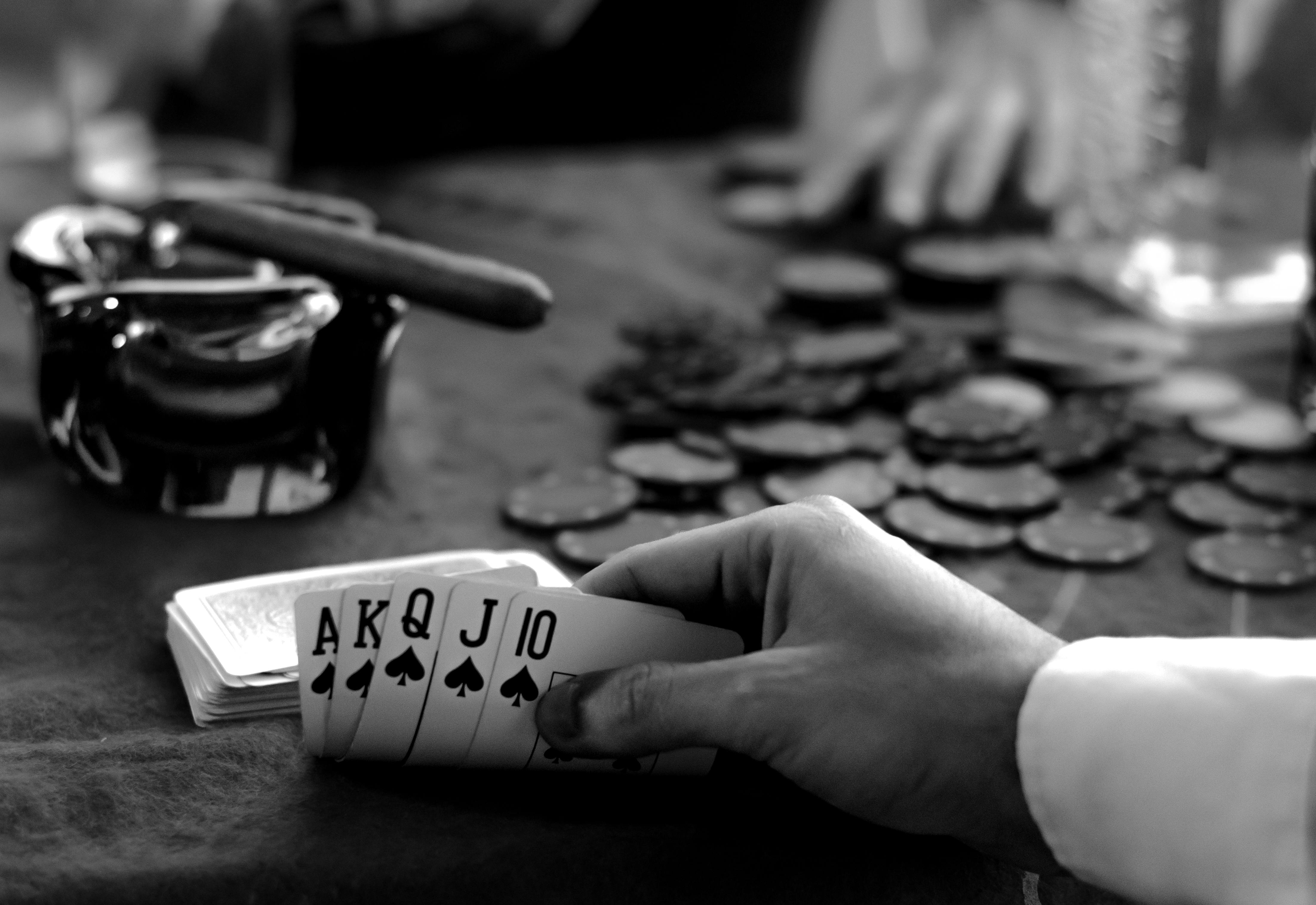
Den interaktive naturen ved kasinoet gjør også at besøkende ofte danner nye vennskap. Det er vanlig å se grupper som heier på hverandre, noe som skaper en uformell og vennlig atmosfære. Spesielt i spill som poker, hvor bløff og strategiske avgjørelser er avgjørende, føler mange at de er en del av et fellesskap som deler både spenning og strategier. Slike interaksjoner kan føre til livslange vennskap og minner som strekker seg langt utover casinobesøket.
I tillegg til det sosiale aspektet, tilbyr kasinoer ofte organisering av spesielle arrangementer som turneringer eller temakvelder. Disse hendelsene tiltrekker seg også spillere som ønsker å teste ferdighetene sine mot andre, samtidig som de får muligheten til å oppleve en livlig og underholdende atmosfære. Det er disse mulighetene som bidrar til at kasinoopplevelsen er så mye mer enn bare spill.
Underholdning og matopplevelser
Kasinoer er kjent for å tilby mer enn bare spill. Mange av dem har imponerende restauranter og barer, som serverer alt fra enkel hurtigmat til gourmetretter. Å ta en pause fra spilling for å nyte en smakfull middag kan virkelig berike opplevelsen. Gjester har muligheten til å utforske forskjellige kjøkken, og dette kan være en del av det som gjør besøket til en minneverdig affære.
Underholdningsalternativene er også et stort trekkplaster for mange. Live musikk, show og forestillinger er vanligvis en del av kasinoopplevelsen, og dette gir en ekstra dimensjon av spenning for besøkende. Det å kunne ta en pause fra spillene for å nyte en konsert eller teaterforestilling kan være en helt unik opplevelse. Slike arrangementer gir gjestene en sjanse til å oppleve lokal kultur og talent.

For dem som ønsker å oppleve mer enn bare det tradisjonelle kasinoet, tilbyr mange kasinoer også spa-fasiliteter og luksuriøse overnattingsalternativer. Etter en lang dag med spill kan det være deilig å unne seg en spa-behandling eller å slappe av ved bassenget. Dette er en annen måte kasinoer skiller seg ut på, og som bidrar til å skape en helhetlig opplevelse som tilfredsstiller flere sanser.
Teknologiens innflytelse på kasinoopplevelsen
Den teknologiske utviklingen har også hatt en betydelig innvirkning på kasinoopplevelsen. Med introduksjonen av digitale spilleautomater og live dealer-spill har det blitt lettere for besøkende å få tilgang til flere spillealternativer. Dette har gjort det mulig for casinoeiere å tilby mer variert underholdning samtidig som det gjør spillene mer tilgjengelige for alle typer spillere.
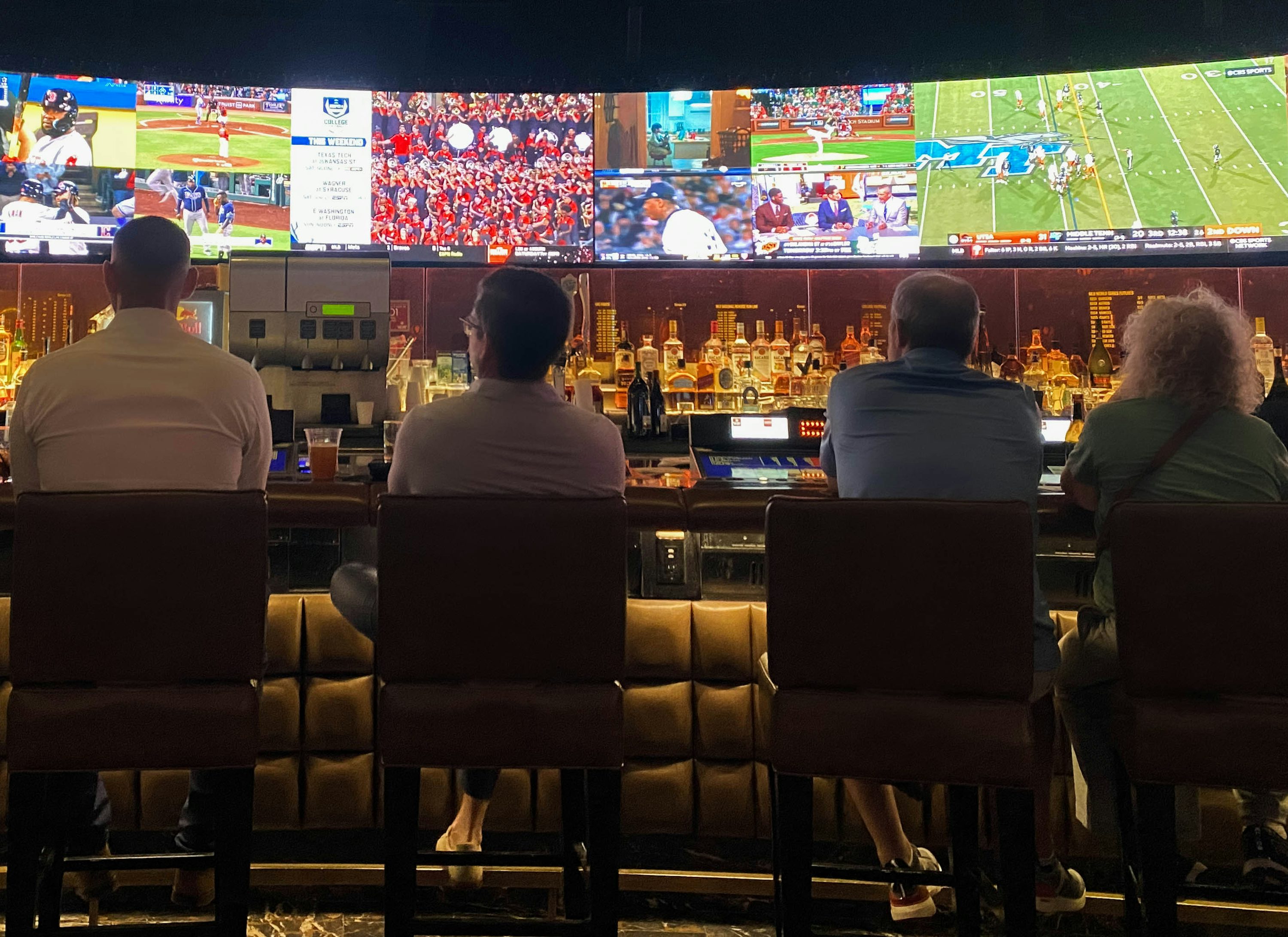
Bruken av teknologi strekker seg også til kasinoets interiør og design. Mange moderne kasinoer bruker lys og lyd for å skape en stemningsfull atmosfære. Effektive digitale skjermsystemer gir informasjon om pågående spill, tilbud og arrangementer, slik at gjestene alltid er oppdatert. Den visuelle og auditive stimuleringen er en essensiell del av opplevelsen, og det er noe som bidrar til å holde besøkende engasjert.
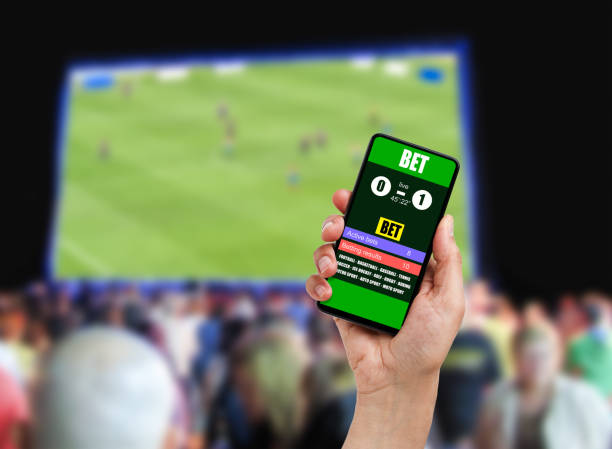
I tillegg har mobilteknologi endret måten folk spiller på. Mange kasinoer tilbyr nå applikasjoner som lar kunder spille fra hvor som helst, noe som gjør spillopplevelsen mer fleksibel. Besøkende kan planlegge besøkene sine bedre og tilpasse spilleopplevelsen etter egne preferanser. Denne digitale utviklingen gir en dynamisk opplevelse som kan tilpasse seg den enkeltes behov.
Spillstrategier og ansvarlig spilling
For mange er spillingen en viktig del av kasinoopplevelsen, men det er også viktig å ha en ansvarlig tilnærming til spilling. Å utvikle en spillstrategi kan gi spillerne en bedre sjanse til å nyte opplevelsen uten å pådra seg unødvendige økonomiske tap. Det er viktig å sette egne grenser for hvor mye tid og penger man ønsker å bruke, slik at man kan nyte den sosiale og underholdende siden av kasinoet uten stress.

Kasinoer tar ansvarlig spilling på alvor og tilbyr ofte ressurser og rådgivning for dem som måtte trenge det. Dette kan inkludere informasjon om hvordan man kan spille ansvarlig, samt verktøy for å sette innskuddsgrenser eller selvutestengelse. Denne bevisstheten er viktig for å sikre at spillere har en trygg opplevelse, samtidig som de kan nyte spenningen ved å spille.
Videre kan deling av spillstrategier og erfaringer mellom spillere bidra til en mer informert og ansvarlig spillopplevelse. Ved å samarbeide og dele informasjon kan spillere forbedre ferdighetene sine og redusere risikoen for å utvikle problematisk spilladferd. Det er essensielt at kasinoer opprettholder et miljø der spillere kan støtte hverandre og lære av hverandre.
Om nettstedet
Dette nettstedet er dedikert til å gi leserne en omfattende forståelse av kasinoopplevelsen. Vi utforsker ikke bare spill, men også alle de andre aspektene av å besøke et kasino. Fra sosiale interaksjoner til underholdning, teknologi og ansvarlig spilling, ønsker vi å gi deg innsikt som kan gjøre ditt besøk uforglemmelig.
Vi er opptatt av å dele nyttig informasjon og ressurser som kan hjelpe besøkende til å forstå hva de kan forvente når de besøker et kasino. Vårt mål er å fremme et sunt og ansvarlig spillmiljø, der kunnskap og forståelse er i fokus. Gjennom våre artikler og ressurser håper vi å inspirere til en berikende opplevelse.
Enten du er en erfaren spiller eller en nykommer, ønsker vi at dette nettstedet skal være en uvurderlig kilde for deg. Med oppdatert informasjon om spill, strategier, underholdning og mer, er vi her for å hjelpe deg med å navigere i den spennende verden av kasinoer.