Understanding the psychology behind gambling why do we take risks
The Allure of Risk-Taking
Gambling inherently involves risk, and this allure can be traced back to the thrill associated with uncertainty. The anticipation of potential loss or gain triggers a powerful emotional response, often likened to an adrenaline rush. This excitement can be addictive, leading individuals to continuously seek out opportunities where the outcomes are unpredictable. It is in this context that platforms such as Crazystarcasino provide a unique environment for players willing to embrace uncertainty.

Additionally, our brains are wired to respond positively to risk-taking in certain contexts. The release of dopamine, a neurotransmitter linked to pleasure and reward, reinforces the behavior of gambling. As players experience wins, even small ones, their brain registers this as a rewarding experience, encouraging them to take risks again in the hopes of replicating that positive outcome.
The Role of Cognitive Biases
Cognitive biases play a significant role in how individuals perceive gambling risks. For example, the illusion of control is a common bias where gamblers believe they can influence outcomes through skill or strategy. This belief can lead players to take more significant risks than they ordinarily would, as they feel a false sense of security regarding their abilities. Understanding the intricacies of these biases can shed light on common player behaviors in various scenarios.
Another prevalent bias is the gambler’s fallacy, where individuals mistakenly believe that past outcomes affect future probabilities. This misconception often leads to riskier bets, as players might think they are “due” for a win after a series of losses. These cognitive biases illustrate how our mental frameworks can distort our understanding of risk in gambling scenarios.
Socioeconomic Factors Influencing Gambling
Socioeconomic status significantly influences gambling behavior. Individuals from different backgrounds may engage in gambling for various reasons, ranging from entertainment to financial desperation. Those facing economic hardships may gamble in hopes of achieving a windfall, viewing it as a potential solution to their financial woes. These dynamics highlight how personal circumstances can shape one’s approach to risk in betting environments.
Conversely, individuals in more affluent situations may gamble for leisure and the thrill it provides. This distinction shapes how risks are perceived and approached, with each group having unique motivations and emotional stakes tied to their gambling experiences.
The Impact of Environment on Gambling Behavior
The environment where gambling takes place greatly affects an individual’s decision-making process. Online platforms, such as virtual casinos, create an immersive experience that can amplify the desire to take risks. Features like engaging graphics, instant access to games, and promotional incentives can heighten excitement and encourage players to wager more aggressively.
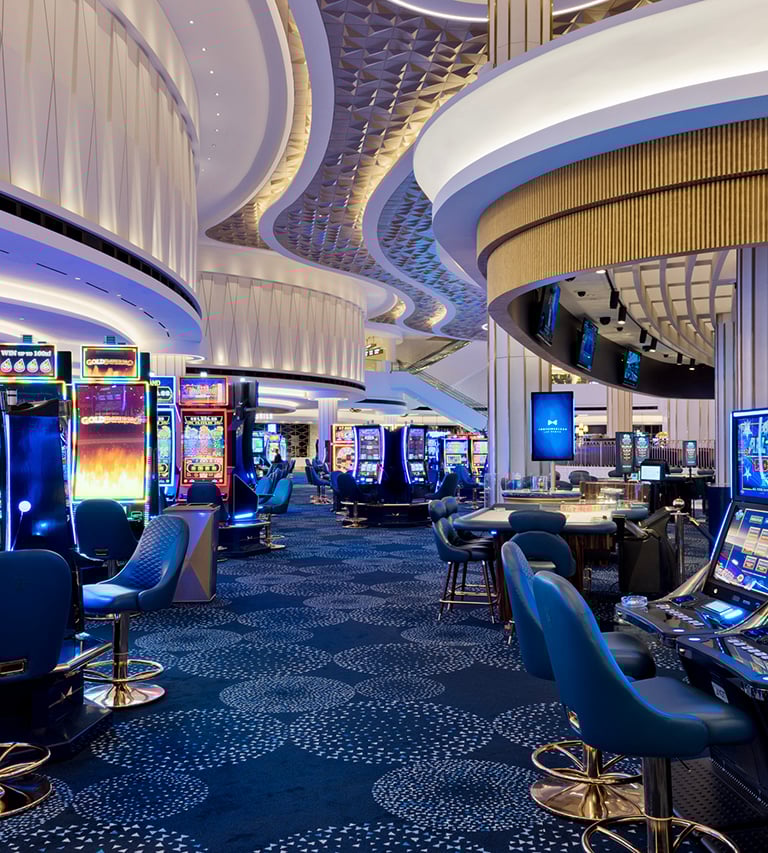
Physical casinos, on the other hand, create a different atmosphere. The sounds, lights, and social interactions can contribute to a heightened sense of urgency and risk-taking. The environment shapes how individuals approach their gambling decisions, underscoring the psychological complexity behind their choices.
Crazy Star Casino: A Case Study
Crazy Star Casino exemplifies how understanding the psychology behind gambling can enhance the player experience. With its vast selection of games and user-friendly interface, it caters to both novice and seasoned players. The casino’s various promotions and bonuses are designed to tap into the thrill-seeking behavior of gamblers, encouraging them to take calculated risks.
Furthermore, Crazy Star Casino prioritizes player satisfaction through secure transactions and dedicated customer support. By fostering a safe and exciting environment, it not only draws players in but also acknowledges the psychological factors at play, creating a balanced approach to risk in gambling.